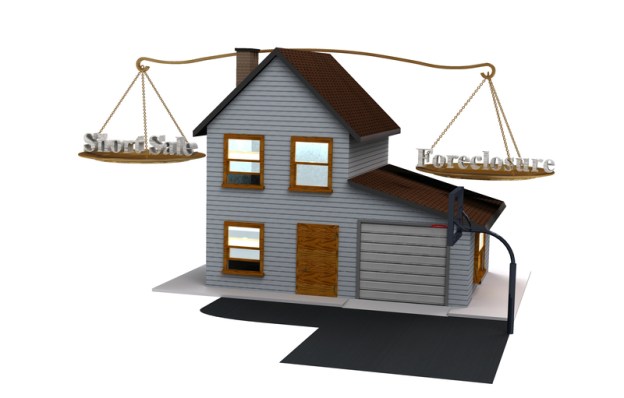
 Property owners owing more on their mortgage than what the property is worth, may be prodded by realtors and so called credit repair companies to consider a short sale of their property, a process whereby the lender accepts less money than what is due on the mortgage, thus allowing the owner to sell for a lower price. But be careful with what you wish for, you may get it!
WHAT IS A SHORT SALE?
When a property owner has fallen behind in mortgage payments or is already in foreclosure, he/she has a few options:
1. Try to modify the terms of the loan with the lender to make the monthly payments affordable to the homeowner;
2. Sell at a loss and pay the difference from his/her own funds;
3. File for bankruptcy to wipe out the debt, or for a reorganization of debts under Chapters 13 or 11 of the Bankruptcy Code;
4. Allow the foreclosure process to continue and risk a deficiency judgment at the end. A deficiency judgment is a court order forcing the owner to make payment of any excess owed the lender over the value of the property at the foreclosure sale;
5. Request that the lender allow the owner to sell the property for less than what is owed on the debt and that the lender absorb the loss. This is called a short sale.
This situation is fairly common at times, such as now, when property values have come down from what they were at the peak of the market.
Lenders will reduce the debt if they feel that they will lose more if they proceed with a foreclosure action. A foreclosure action in New York City takes months, if not years. During that time the lender is receiving no payments and is probably advancing monies for real property taxes, water and insurance. The longer the court action takes, the higher the chances that values will decrease and that the property will go without repairs and improvements (waste), thus reducing what the lender will receive.
Not all situations are the same and not all lenders will follow the same guidelines in making debt forgiveness decisions. Below are some of their considerations:
Financial condition of borrower: lenders will consider the financial condition of the borrower. If you have income and/or assets that the lender feels the borrower should use towards the payment of the mortgage, or that they can force the borrower to cough up in a legal action, the lender will most likely decline the short sale, or ask the borrower to apply some of those assets or income towards the payment of the mortgage. For example, if you have money, the lender may ask that you use part, or all, of your money to pay off the mortgage as a condition of approving the short sale. If you have equity in another property or substantial income, the lender may allow you to sell the house, but ask that at least a portion of what the lender is losing on the short sale be modified into another debt, whether personal and/or to be secured by that other property.
Appraisal: lenders will send an appraiser to the property to obtain an estimate of what the property may be worth and what is the potential for decline in value over time. This assists the lender in determining whether the price being offered for the property is acceptable and by how much the lender should reduce the debt. It also helps the lender in making a calculation of what it would lose if it fails to agree to a short sale.
Carrying costs: in its calculations the lender will estimate the cost of carrying the property while the foreclosure is pending, and at the time when it acquires and resells the property. The higher the cost of carrying the property and/or closing costs upon acquisition and resale, the higher the chances that a lender will accept a short sale.
These considerations are illustrations and are not all inclusive.
REQUIREMENTS:
If you feel that you are a good candidate for a short sale, here’s what you need:
1. CONSULT AN ATTORNEY WITH EXPERIENCE IN SHORT SALES. The best are probably attorneys with bankruptcy experience. They can best inform you about the different avenues available to you. The short sale may not be your best option.
2. GET YOUR FINANCIAL INFORMATION READY. You need to obtain all your financial information, since a lender will ask you for a financial statement to be documented with pay stubs, w-2’s, 1040’s, bank statements, stock accounts, etc.
3. CONSULT AN ACCOUNTANT. Debt forgiveness may be deemed income to you, and all or part of the amount that the lender is reducing may be taxable.
4. HAVE A PURCHASER. You must have a purchaser and sign a contract of sale with that purchaser.
5. EXPLANATION FOR YOUR HARDSHIP. A lender is not going to consider a request for a short sale if the purpose of the sale is safeguarding your credit or unloading the property.
Once you have completed these steps, you are ready to make a proposal to your lender. Try to obtain all the backup information necessary for the request, and try not to lie. The less organized you are or the more you want to hide from the lender, the likelier the chances that your sale will be delayed or denied.
ADVANTAGES:
+ You get to sell the property. You will no longer be perturbed by the emotional drain of worrying about the property.
+ By stopping the reporting of late payments by the lender every month your credit gets repaired sooner.
+ By selling now, you avoid possible legal proceedings by local authorities for failure to maintain services on the property, especially when you have tenants.
+ If a lender proceeds to foreclose, the lender may seek a deficiency judgment against you (unless you file for bankruptcy). A deficiency judgment is a legal order by a court that you pay to the lender the difference between what you owe the lender at the time of the foreclosure sale (the auction) and the value of the property at that time. The short sale avoids a possible judgment.
DISADVANTAGES:
– A major drawback which may outweigh all benefits of a short sale is that debt forgiveness is deemed to be income to the borrower and may be taxable as such. It could be that the amount forgiven may be excluded, at least partially, from income if you qualify under the insolvency provisions of the Internal Revenue Code. It is crucial to consult an accountant (not your “tax preparer” down the block).
– In order to obtain approval for a short sale, you must provide the lender with documentation that the lender can later use against you in a legal action if the lender refuses to approve the short sale.
COMMENTARY:
BEFORE YOU DECIDE TO CONSIDER A SHORT SALE, CONSULT AN ATTORNEY AND MAYBE SEEK A SECOND OPINION, JUST AS YOU WOULD FOR ANY MAJOR MEDICAL PROCEEDING. YOUR BEST OPTION MAY NOT BE THE SHORT SALE, BUT A BANKRUPTCY UNDER CHAPTER 7 OR CHAPTER 13, OR A MORTGAGE WORKOUT.
BE CAREFUL WITH THE SELECTION OF THE REALTOR. ALL REALTORS WANT TO LIST, BUT FEW HAVE EXPERIENCE WITH SHORT SALES. BE CAREFUL THAT YOU DON’T WASTE PRECIOUS TIME WITH AN APPRENTICE.
 The Trillo Bylines